
25
years in IT
From software engineer to VP Engineering
The person behind the work
I didn’t plan to become a leadership partner.
I started in tech, drawn to systems, logic, and the satisfaction of solving difficult problems.
Over more than two decades, I moved from software engineering into project leadership, people management, and eventually the role of VP of Engineering. I led teams, sat in executive meetings, and experienced the pressure of responsibility from the inside.
Along the way, I began noticing that many problems presented as technical were not only technical. Underneath them were unclear ownership, decisions nobody wanted to make, conversations people were avoiding, or leaders carrying work that should no longer belong to them.
That observation gradually changed the direction of my work.
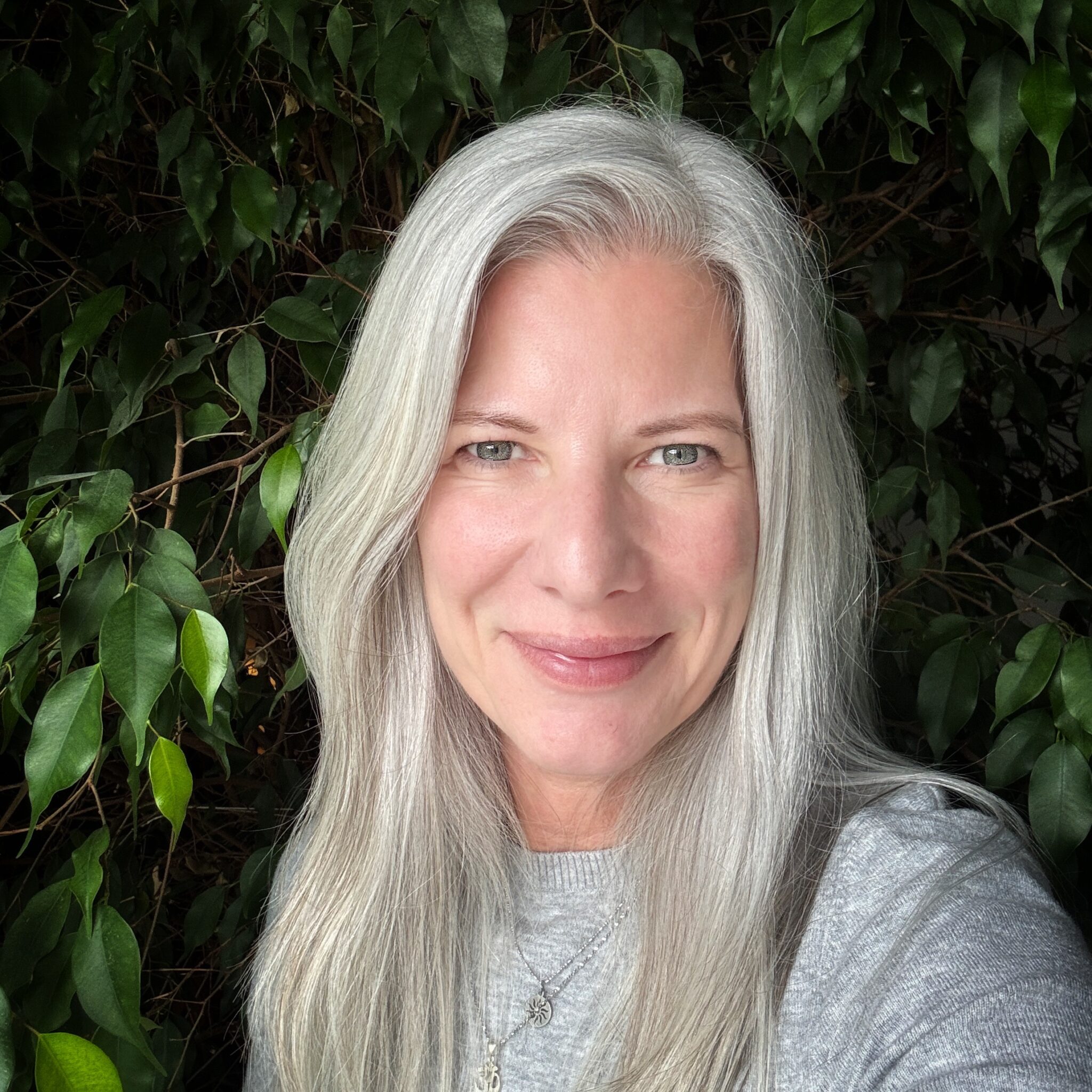
Because context matters.
25
From software engineer to VP Engineering
20
As my own responsibilities grew, I noticed that pressure was changing how I behaved. I became less patient, made decisions faster, delegated less, and reached for control more often.
Nothing dramatic happened. I was still doing the job and getting things done. But I had to accept that a larger role did not automatically make me a better leader.
That was when mindfulness stopped being a side interest and became part of how I worked. It gave me a way to notice my response before acting on it — and enough space to decide what the situation actually needed.
What shapes the work
My approach is shaped by more than my roles in technology.
My interest in psychology helps me understand behavioral patterns and the stories people tell themselves about what is happening.
Mindfulness and yoga have taught me to pay attention to the space between impulse and response.
Wine has taught me something different about patience, craft, context, and nuance. It is also a useful reminder that taking something seriously does not require being solemn about it.
Namaste represents presence, self-awareness, and the willingness to keep learning.
Cabernet represents grounded conversation, craft, and the belief that serious work can still leave room for warmth and humor.
These interests are not one grand theory, and I do not pretend that they are. They are simply parts of how I understand people, leadership, and the choices we make under pressure.
Together, they reflect how I try to work: clear thinking, honest dialogue, no theatrics, and as little leadership jargon as humanly possible.
The best way to find out is through a conversation.